
Favorite Tools And Equipment For Demolition Service Experts
Explore trusted products that are essential for completing demolition projects with precision and safety.
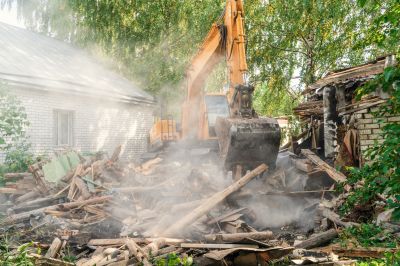 Demolition projects in Bethlehem, PA, require a diverse array of tools and equipment to ensure safety, efficiency, and precision. From small-scale interior demolitions to large structural dismantling, selecting the appropriate products is essential for successful outcomes. Heavy-duty machinery such as excavators equipped with hydraulic breakers are commonly used for breaking down concrete and steel structures, providing controlled and powerful demolition capabilities. Hand tools like sledgehammers, pry bars, and demolition axes remain vital for detailed work and finishing touches, especially in confined spaces. Safety gear including helmets, gloves, and eye protection is equally important to protect workers during demanding demolition tasks.
Top Overall Option
Hydraulic Demolition Breaker
A hydraulic demolition breaker is a versatile attachment for excavators that offers controlled power for breaking concrete, asphalt, and other tough materials. Its adjustable settings and ergonomic design make it suitable for various demolition tasks, providing a balance of efficiency and safety. This equipment is often favored for its ability to handle different project sizes and material types, making it a valuable addition to any demolition toolkit.
Types of Products For Demolition Service
Hydraulic Breakers
Heavy-duty attachments used with excavators to break concrete and rock efficiently.
Demolition Sledgehammers
Powerful handheld tools ideal for breaking smaller structures and surfaces.
Concrete Crushers
Machines designed to crush concrete debris into manageable sizes onsite.
Demolition Shears
Attachments for cutting through steel and other tough materials during dismantling.
Pry Bars and Crowbars
Hand tools used for prying, lifting, and separating materials during demolition.
Dust Suppression Systems
Equipment to reduce airborne dust during demolition activities.
Safety Barriers and Fencing
Protective barriers to secure the work area and ensure safety.
Trash and Debris Containers
Durable containers for collecting and transporting demolition debris.
Hydraulic Rotators
Attachments that allow for precise positioning and movement of demolition tools.
Explosive Demolition Kits
Controlled explosive devices for large-scale structural demolitions.
Scaffolding and Support Structures
Equipment to provide safe access and support during demolition.
Vibratory Plate Compactors
Tools used for compacting soil and debris after demolition.
Water Jet Cutting Tools
High-pressure water systems for precise cutting of materials.
Handheld Power Tools
Includes rotary hammers, angle grinders, and saws for detailed work.
Lifting and Rigging Equipment
Cranes, slings, and hoists for lifting heavy materials safely.
Remote-Controlled Demolition Robots
Robots designed for remote operation in hazardous or hard-to-reach areas.
Onsite Material Sorting Equipment
Machines to separate recyclable materials from debris onsite.
Popular Choices
Widely used for their adaptability across various demolition projects.
Commonly chosen for their portability and power for small-scale tasks.
Popular for onsite concrete recycling and debris reduction.
Favored for their ability to cut through steel and metal structures.
Essential for maintaining air quality during active demolition.
Frequently used to secure work zones and protect personnel.
Commonly employed for lifting heavy materials and structural elements.
Chosen for their precision in cutting delicate or complex materials.
Popular for cutting, grinding, and surface preparation tasks.
Often used to power tools and equipment in remote demolition sites.
Used for safe lifting and transport of heavy components.
Gaining popularity for their ability to operate in hazardous environments.
Commonly used after demolition to prepare ground surfaces.
Versatile tools for cutting through wood, metal, and drywall.
Convenient for quick debris collection and disposal.
For larger projects, specialized attachments and accessories enhance the versatility of machinery and allow for more specific functions. Concrete crushers and demolition shears can be attached to excavators to facilitate onsite material reduction, minimizing debris and disposal costs. Dust suppression systems and barriers help maintain a safer work environment by controlling airborne particles and debris spread. When planning a demolition, considering the scope of the project, the types of materials involved, and site-specific challenges will guide the selection of the most suitable products.
In Bethlehem, PA, the availability of quality demolition equipment can significantly influence project timelines and safety standards. Investing in reliable, well-maintained tools can reduce downtime and improve overall efficiency. Whether working on residential, commercial, or industrial sites, understanding the variety of products available ensures that contractors and DIY enthusiasts can choose the right equipment for their needs. Proper training and adherence to safety protocols are also crucial components of any successful demolition operation, complementing the use of appropriate tools and machinery.
Key Buying Considerations
- Project scope and size to determine the appropriate equipment and power requirements.
- Material types involved, such as concrete, steel, wood, or drywall, which influence tool selection.
- Site accessibility and space constraints, affecting the choice of portable versus heavy machinery.
- Safety features and certifications to ensure compliance with local regulations and standards.
- Durability and build quality of tools to withstand demanding demolition environments.
- Ease of operation and ergonomic design for operator comfort and safety.
- Compatibility of attachments and accessories with existing machinery and tools.
- Availability of maintenance and technical support in Bethlehem, PA.
- Budget constraints balanced with quality and safety considerations.
- Environmental factors such as dust, noise, and debris management requirements.
- Power source options, including electric, hydraulic, or pneumatic, suitable for the site conditions.
- Reputation and reviews of the equipment brand or manufacturer.
- Training and user manuals available to ensure proper and safe operation.
- Transportability and storage solutions for equipment after project completion.
- Potential for future upgrades or accessory additions to extend equipment usability.